Lifecycle & Retention Systems - Turn Existing Customers Into Your Most Predictable Growth Channel
Acquisition gets attention.
Retention determines whether growth actually holds.
We design lifecycle and retention systems that increase repeat usage, reduce churn, and expand customer value — across email, product touchpoints, and owned channels. Not campaigns. Systems that compound.






ai Marketing automation company
Three Outcomes Every CRM Lifecycle System Must Deliver
For lifecycle to work as a growth lever, it must do more than “send emails.”
Activation
Customers understand value faster — and reach their first success moment sooner.
Retention
Usage, engagement, and repeat behavior stabilize instead of decaying after onboarding.
Expansion
Existing customers generate more value over time through upgrades, cross-sell, and repeat purchase.
customer retention systems
The Signals That Tell Us Lifecycle Is Breaking
LTV Pressure
Silent Churn
Onboarding Drag
CRM Complexity
lifecycle marketing
Lifecycle & Retention Systems — How We Actually Run Them
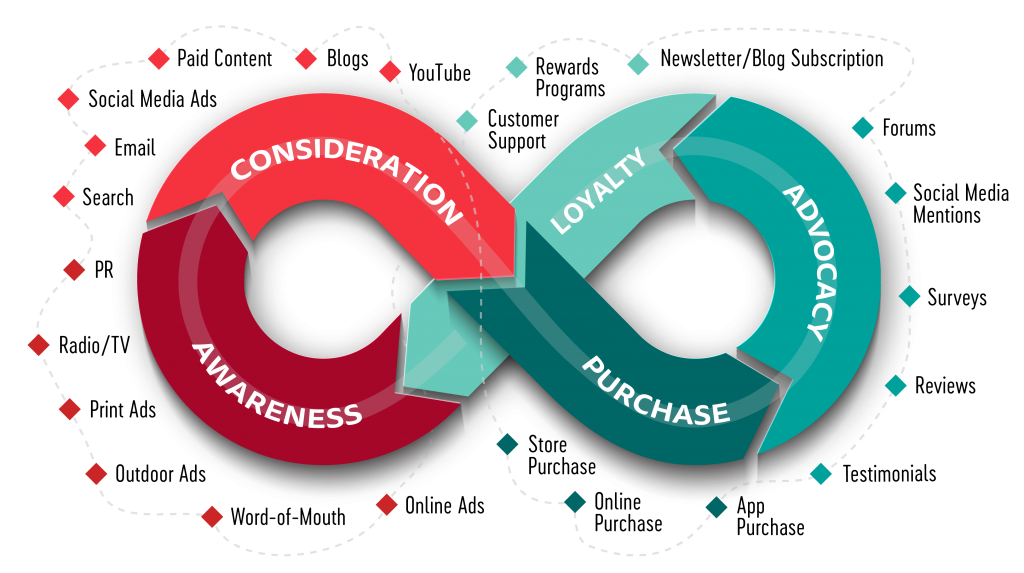
We map the full customer journey — from first interaction to repeat usage, renewal, or expansion. Users are segmented based on behavior, value, and intent, not just demographics or lists.
Retention starts on day one. We design onboarding flows that move users to meaningful value quickly — across email, in-product nudges, and owned channels — reducing early drop-off and confusion.
We replace batch-and-blast messaging with behavior-driven communication. Messages trigger based on usage, inactivity, milestones, and signals that indicate risk or opportunity.
Lifecycle doesn’t live in email alone. We align messaging across email, product, SMS (where relevant), and push so users experience one coherent journey instead of disconnected touchpoints.
For users who stall, disengage, or churn quietly, we design reactivation systems that address why they dropped — not generic reminders that get ignored.
We identify moments where customers are most likely to upgrade, add-on, or repeat purchase — and design messaging that feels timely, relevant, and value-driven.
We track what actually matters: retention curves, cohort behavior, repeat rate, expansion revenue, and payback periods. Open rates don’t run businesses — unit economics do.
CRM lifecycle optimization services
When Teams Usually Bring Us In
Lifecycle work becomes urgent when:
Churn is rising quarter over quarter
LTV no longer supports CAC
A CRM or marketing automation migration is underway
A new subscription tier or pricing model is launching
Product usage doesn’t translate into revenue
At this stage, lifecycle isn’t “nice to have.”
It’s a growth constraint that needs fixing.

#1 Digital Marketing Agency
Hear from our customers!
Discover how our modern digital marketing services have made a difference. We help brands grow smarter and faster.

What stood out about Pathloft wasn’t execution speed—it was how clearly they understood why our growth had stalled. They didn’t push channels or tactics. They helped us rethink how demand, trust, and AI interpretation were actually working together. That shift changed our conversations internally and with buyers.
— CMO, Enterprise B2B Company
We were generating activity but not confidence—neither from sales nor from prospects. Pathloft helped us rebuild our growth approach as a system instead of a set of tactics. The result wasn’t just better metrics, but better alignment across teams.
— Head of Growth, SaaS Company
Most partners talk about AI as a capability. Pathloft talked about AI as a risk if you don’t use it with judgment. That perspective alone was worth the engagement. They helped us slow down, design properly, and then scale with far more clarity.
— CEO, B2B Services Firm
Pathloft didn’t just help us grow demand—they helped us understand how our brand was being interpreted across search, AI systems, and buyer conversations. That systems-level thinking is rare, and it’s exactly what modern marketing needs.
— VP of Marketing, Global B2B Company
The biggest impact Pathloft had wasn’t on campaigns—it was on decision-making. We stopped chasing noise and started investing in what would actually compound over time. That shift alone paid for the partnership.”
— Revenue Leader, Mid-Market B2B Organization
Our case studies
Our Impact
Every client story is a data point of impact. From reducing acquisition costs to building category authority, our partnership turns marketing challenges into measurable growth outcomes — engineered for the AI era.
Boosting Authority in AI-Powered Search
65% Higher AI visibility than the closest competitor
95% Visibility across tracked AI-generated questions
How a Heavy Equipment Brand Won Visibility
120% Growth in visibility within Google AI Overviews
Boosting Authority in AI-Powered Search
53% Increase in total brand appearances across relevant AI queries
30% Growth in branded mentions within unique AI-driven searches
Featured insights
Proven growth plays that help you do your job — and do it better.




FAQs
Frequently asked questions about our lifecycle & retention systems process and capabilities.
What are lifecycle and retention systems?
Lifecycle and retention systems are structured approaches to managing customer engagement from first use through repeat purchase, renewal, and expansion. They combine segmentation, behavioral triggers, onboarding flows, and cross-channel messaging to improve activation, reduce churn, and increase lifetime value. Unlike one-off campaigns, these systems are designed to compound over time.
How is this different from email marketing?
Email marketing focuses on sending messages. Lifecycle systems focus on when, why, and to whom messages are sent — across multiple channels. Email is one component. The system coordinates onboarding, engagement, retention, and monetization based on real user behavior.
Can lifecycle systems actually reduce CAC?
Yes. Improving retention and expansion increases LTV, which allows CAC to remain sustainable even as acquisition costs rise. Many teams use lifecycle systems to stabilize unit economics when paid channels become harder to scale.
When should a company invest in lifecycle optimization?
Lifecycle becomes critical when churn increases, repeat purchase declines, or LTV approaches CAC breakeven. It’s also a high-impact investment during CRM migrations, pricing changes, or subscription launches.
Which teams usually own lifecycle internally?
Lifecycle often spans Growth, CRM, Product Marketing, and sometimes Product. We work across functions to ensure systems are aligned — not siloed — and tied back to revenue outcomes.
Is lifecycle optimization a one-time project?
No. User behavior changes as products evolve. Lifecycle systems require ongoing refinement, testing, and iteration to remain effective over time.
If Retention Is Becoming a Growth Constraint, We’ll Clarify It Fast.
We’ll review your current lifecycle flows, segmentation, and retention metrics — and help you set-up structured lifecycle system that can improve LTV and reduce churn.